
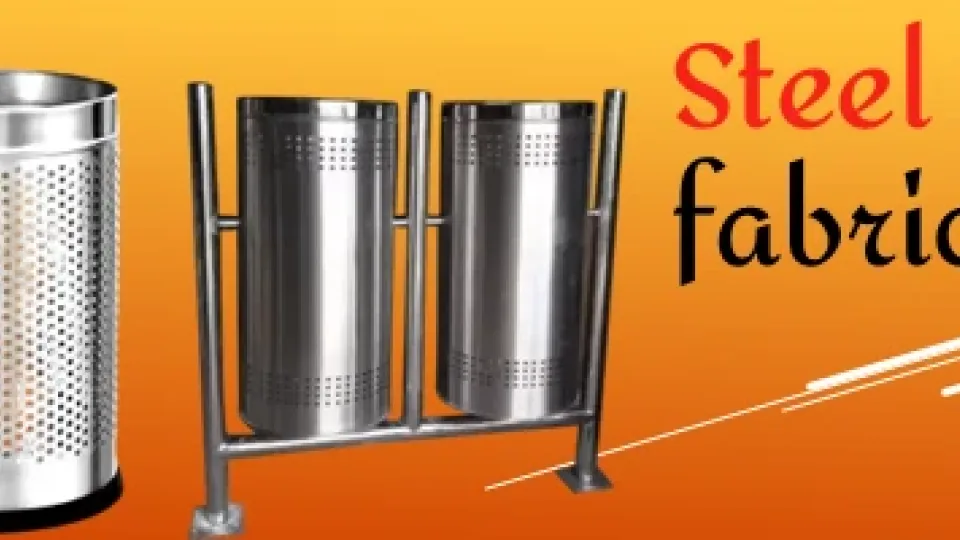
SS 202 and SS 304 dustbins can look very similar when they are new, so buyers often ask whether paying extra for SS 304 is really necessary. The answer depends on where the dustbin will be installed, its exposure to moisture, and the project specification.
SS 202 is commonly selected where budget matters and operating conditions are less demanding. SS 304 generally offers better corrosion resistance and is preferred for humid or outdoor environments. Both grades can be used to manufacture many types of Stainless Steel Dustbins.
What Is SS 202?
SS 202 is an austenitic stainless steel that uses a different alloy composition from SS 304, with more manganese and lower nickel content. For dustbin manufacturing it delivers a clean stainless-steel appearance at a lower material cost, so it is often used indoors, in covered areas, or in other moderate-use environments where conditions are not highly corrosive.
What Is SS 304?
SS 304 is one of the most widely used stainless steels for general fabrication. It is an 18/8 grade (roughly 18% chromium and 8% nickel), which gives it better resistance to corrosion in moisture-prone environments than SS 202. For this reason SS 304 is often selected for outdoor installations, premium projects, and locations where longer-term corrosion resistance is required.
It should still be cleaned and maintained properly. Stainless steel is corrosion resistant, not maintenance-free or rust-proof in every condition.
SS 202 vs SS 304 Dustbin: Quick Comparison
| Feature | SS 202 | SS 304 |
|---|---|---|
| Initial material cost | Lower | Higher |
| Corrosion resistance | Moderate | Better |
| Indoor use | Suitable | Suitable |
| Outdoor use | Possible depending on conditions | Generally preferred |
| Humid locations | Needs more consideration | Better suited |
| Appearance | Stainless-steel finish | Stainless-steel finish |
| Maintenance | Regular cleaning important | Regular cleaning recommended |
| Project specification | Suitable where SS 202 is permitted | Often specified for higher-grade requirements |
Is SS 304 Always Better?
From a corrosion-resistance point of view SS 304 generally has the advantage, but that does not mean every dustbin automatically needs SS 304. If a bin is installed indoors, kept dry, and cleaned regularly, SS 202 can be a practical and more economical choice. For a product that stays exposed to weather or moisture, the additional corrosion resistance of SS 304 can justify the higher material cost. The best grade is the one that matches the application and specification.
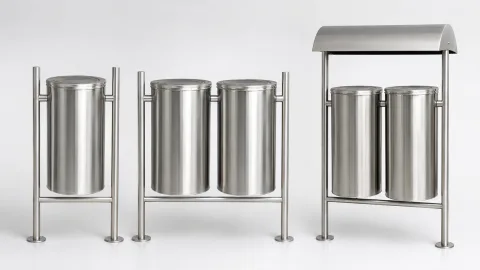
The two grades are equally common across different bin designs. Whether you need a SS Swing Dustbin, a SS Duo Dustbin, or a SS Pedal Dustbin, the right material choice depends on where it will sit and how it will be used.
Which Grade Is Better for Outdoor Dustbins?
For regular outdoor exposure, SS 304 is generally the safer choice when budget allows. Outdoor bins can face rain, humidity, water during washing, waste liquids, changing weather, and airborne contaminants, all of which increase the importance of corrosion resistance. This is particularly relevant for products such as Pole Mounted Dustbins, roadside bins, and other permanent outdoor installations. SS 202 can still be used outdoors when specifically selected, but maintenance and site conditions should be considered.
Which Grade Is Better for Indoor Dustbins?
For indoor offices, commercial premises, and relatively dry environments, SS 202 can be sufficient where project specifications permit it. SS 304 can still be selected when the buyer wants a higher grade or where cleaning, moisture, or hygiene requirements are more demanding. The installation environment matters more than simply labelling one grade "good" and the other "bad."
Does SS 304 Mean a Thicker Dustbin?
No. Steel grade and sheet thickness are different specifications. A dustbin can be made in SS 202 or SS 304 using different sheet thicknesses according to the product design. Material grade and sheet thickness (for example 0.5 mm, 0.8 mm, or 1.0 mm) are checked separately. A thicker SS 202 sheet does not become SS 304, and SS 304 does not automatically mean the sheet is thicker.
Can You Identify SS 202 and SS 304 by Appearance?
Not reliably by normal visual inspection. Both can have a similar polished or matt stainless-steel appearance. If a project specifically requires SS 304, the grade should be confirmed through the supplier's material documentation or appropriate material verification where required by the contract.
What About Magnet Testing?
A simple magnet test should not be treated as a complete way to confirm whether a finished dustbin is SS 202 or SS 304, because magnetic response can be affected by manufacturing and cold working. For projects where grade verification matters, proper material documentation or suitable testing is the better approach.
Does SS Grade Affect Dustbin Capacity?
No. Capacity and stainless-steel grade are independent specifications. A 60-litre dustbin can be made in SS 202 or SS 304 if the product design supports both. Capacity should be chosen according to waste volume, while stainless-steel grade should be chosen according to the environment and project requirement.
Which Grade Should You Order?
For a cost-conscious indoor or covered application, SS 202 can be a practical choice where permitted by the specification. For outdoor, humid, or more demanding locations, SS 304 is generally the better choice when improved corrosion resistance is a priority.
Steel Shakti Fabrication Works manufactures stainless steel dustbins in SS 202 and SS 304, depending on the model and project requirement. View stainless steel dustbins to compare models and sizes.
References
- worldstainless – Categories, Grades and Product Forms
- worldstainless – What Is Stainless Steel?
- Nickel Institute – The Nickel Advantage: Nickel in Stainless Steels
- Nickel Institute – Design Guidelines for the Selection and Use of Stainless Steels (pitting corrosion)
Comments
No comments yet. Be the first to comment.